Climate Change and Security: Gender-Responsive Climate Technologies for Resilient Communities
UN Climate Technology Centre & Network
WGC Member Solution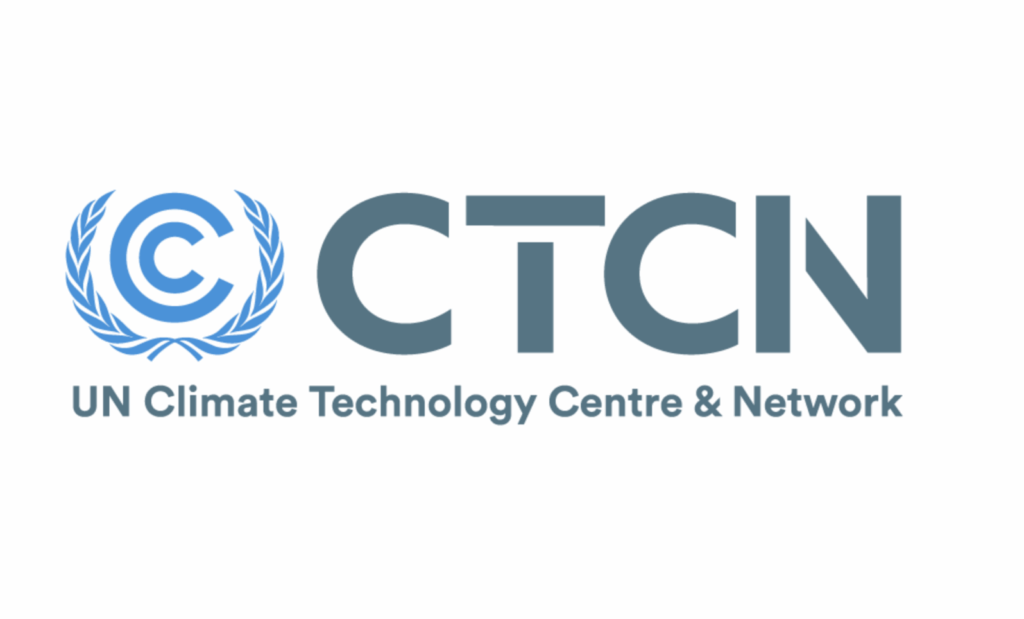
About
Growing evidence suggests that climate change and environmental degradation act as a catalyst, a driver and a multiplier of instability, exacerbating already volatile food prices, insecure livelihoods, and large-scale displacement. The EC climate change and security programme, managed by UNEP-CTCN, supports ten pilots in countries at risk of conflicts due to climate impact, prioritizing women and marginalized groups. In Cameroon, women’s cooperatives apply synecoculture for sustainable farming; in Zimbabwe, women use solar-powered drying systems for Mopane worms; and in Nigeria, women adopt hydroponic farming powered by solar energy, creating gender-responsive solutions for climate security.
Climate Impact
- Implemented climate technologies adapted to conflict-affected areas, reducing vulnerability to droughts, food insecurity, and resource competition.
- Supported solar, hydroponic, and ecological farming systems that cut emissions and reduce dependence on fossil fuels.
Gender Impact
- Improved access to resources, income, and green job opportunities for women and marginalized communities.
- Promoted community and women’s ownership of technologies, ensuring long-term sustainability and ecosystem restoration in high-risk regions.
Scalability/Replicability
- Community-driven approaches and local capacity building enable replication in other regions with similar environmental and social conditions once local actors are trained.
- Strengthened resilience in conflict-affected and high-risk regions by deploying conflict sensitive, community-based climate technologies.
read the latest from our network
We work across regions and movements in deep solidarity. Together, we’re building collective advocacy to global problems.

Press Releases
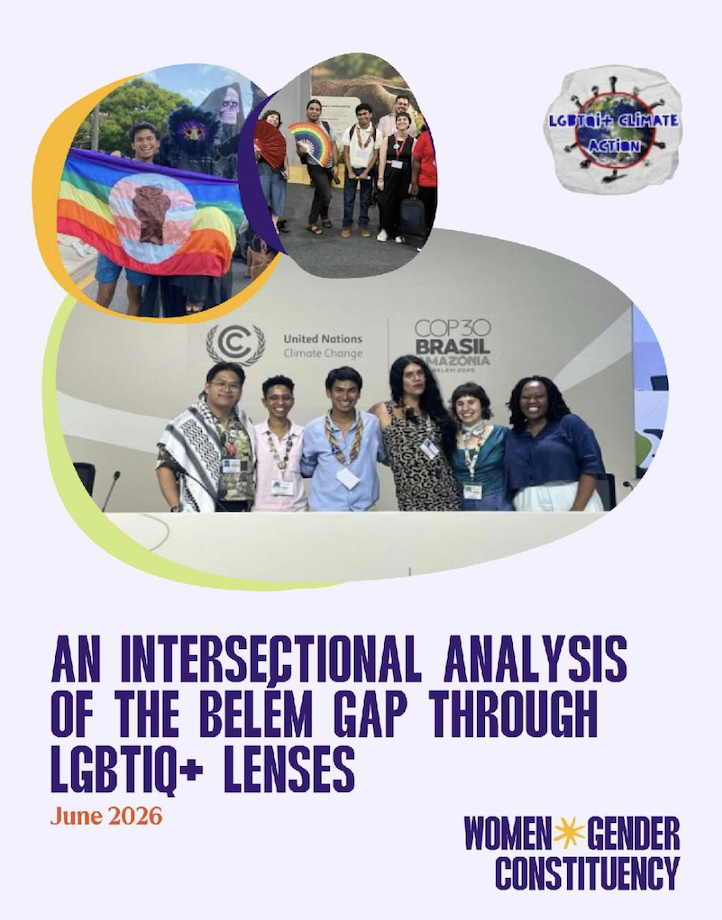
Press Release: Queer Intersectionality in Climate Justice
09/06/2026
Queer Intersectionalities Media Advisory SB64
Statement
Events
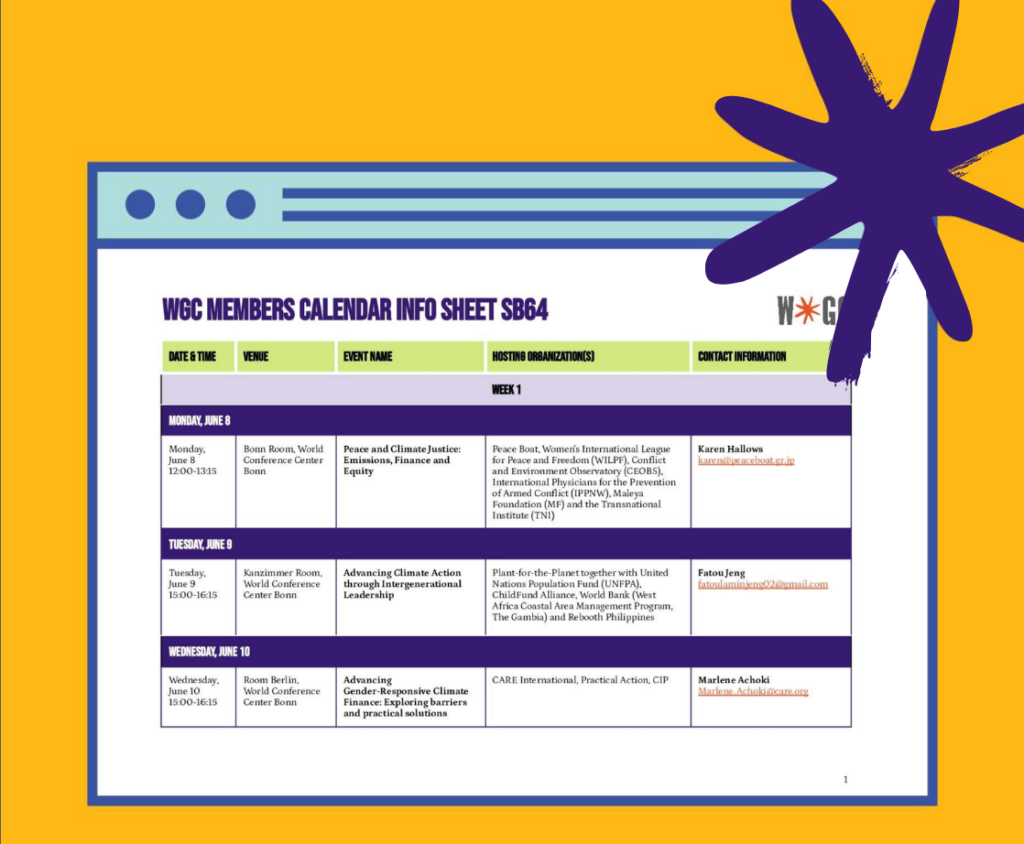
WGC Members Side Event Schedule for SB64
03/06/2026
Advocacy Brief
Statement
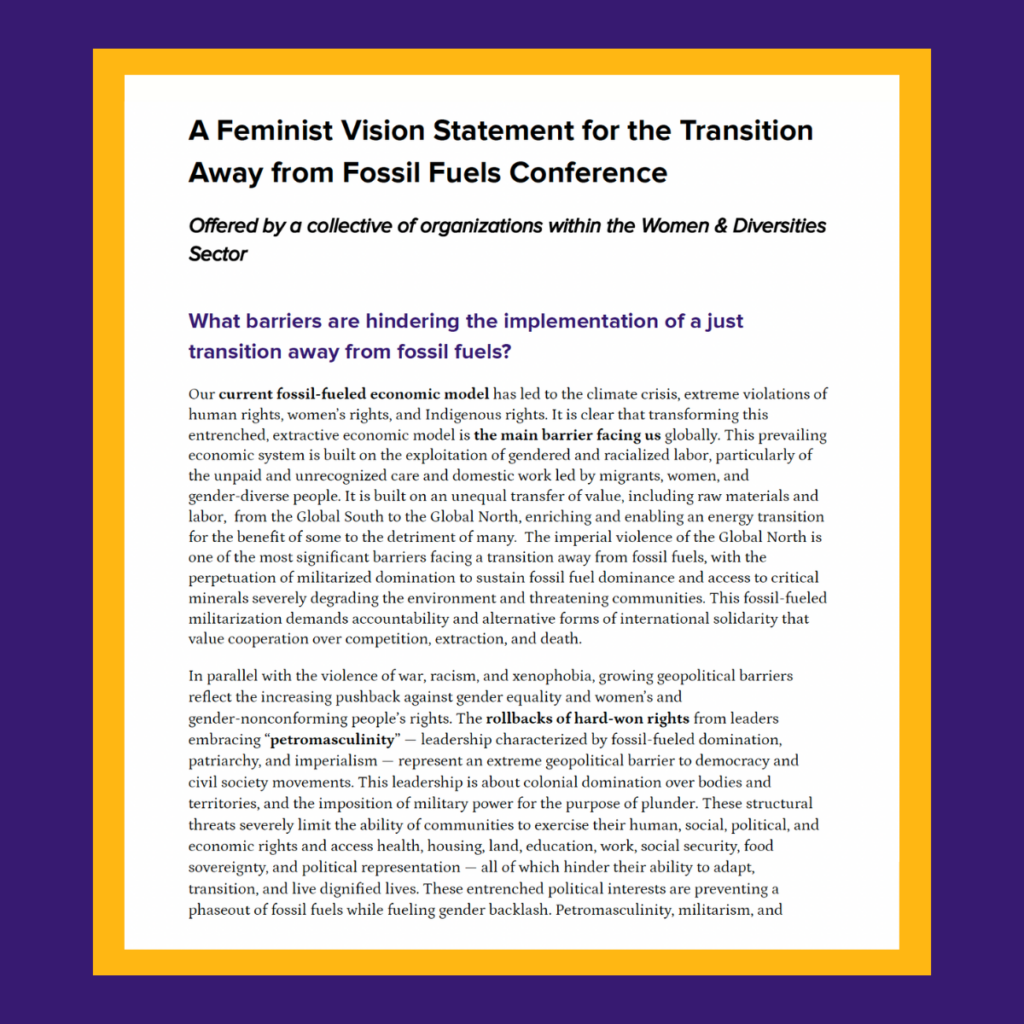
A Feminist Vision Statement for the Transition Away from Fossil Fuels Conference
24/04/2026
Offered by a collective of organizations within the Women & Diversities Sector
Events
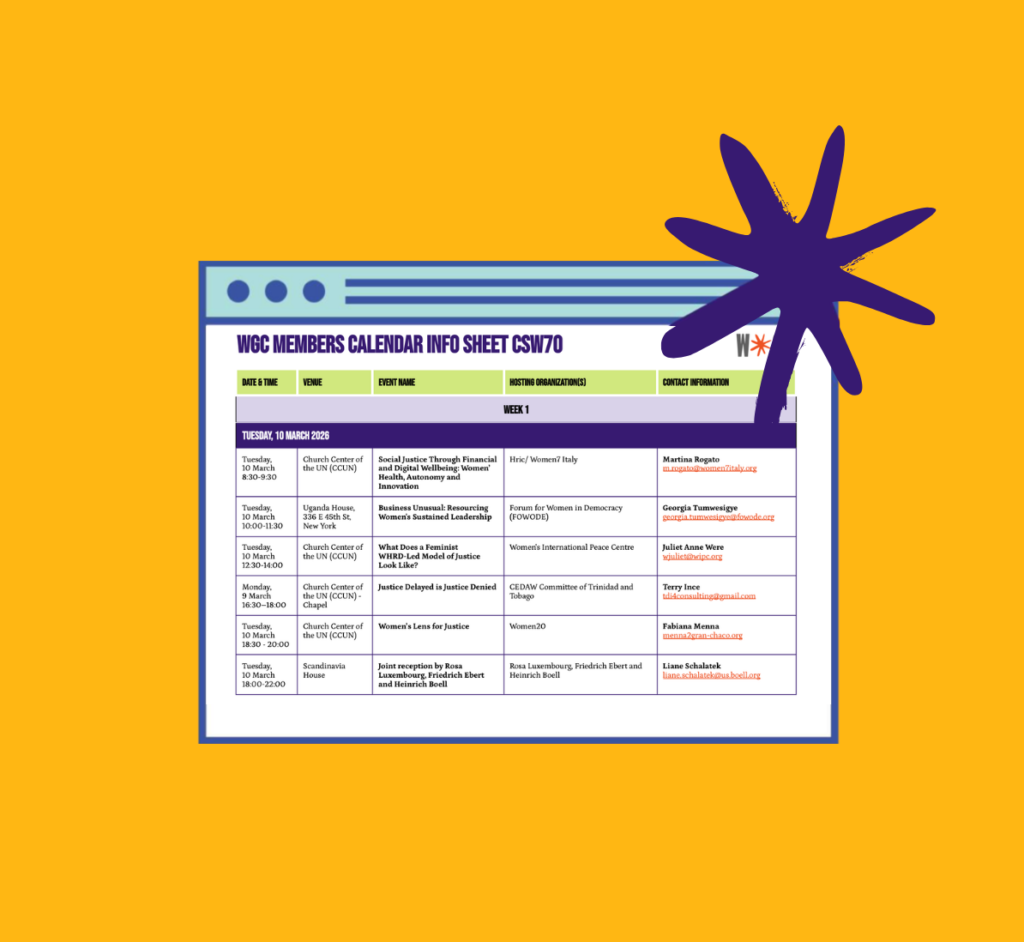
WGC Members Side Event Schedule for CSW70
09/03/2026