Annual Publications
Press release:
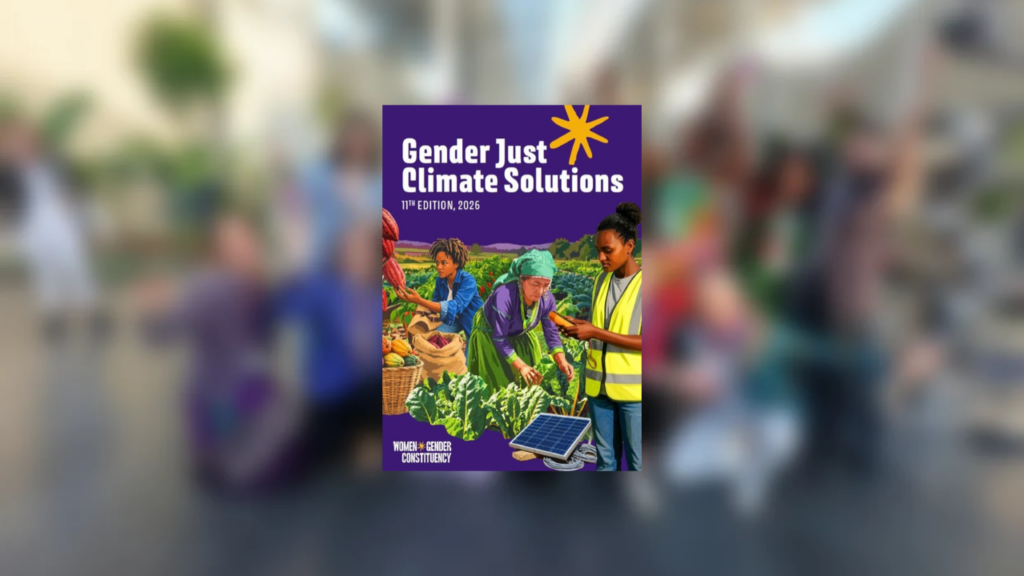
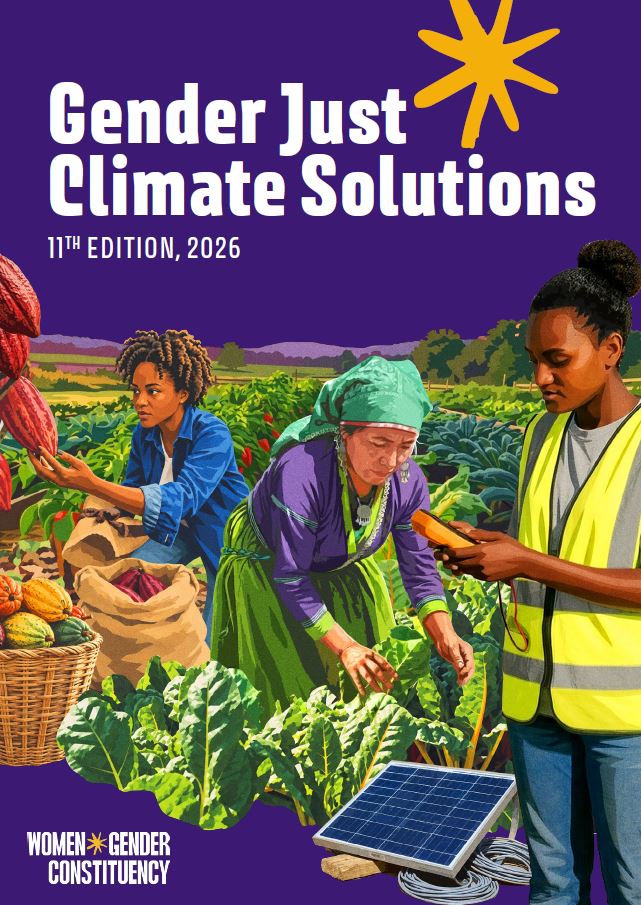
The 11th edition of the awards brought together grassroots leaders, climate advocates and international guests to celebrate women-led solutions from Vanuatu, Colombia and Mexico.
20/11/2026
18/11/2026
“Power to the winners!”
The chant rang out during the 11th Gender Just Climate Solutions (GJCS) Awards ceremony, held on 16 November at COP31 in Antalya, Türkiye. With singing, celebration and voices from across the world, the ceremony brought attention to something often overlooked in international climate negotiations: women and their communities are already developing solutions to the climate crisis, and their work deserves recognition, resources and support.
Organised through the Gender Just Climate Solutions programme, coordinated by WECF International in collaboration with the Women and Gender Constituency (WGC), the ceremony recognised three initiatives from Vanuatu, Colombia and Mexico working at the intersection of climate action, gender equality and community empowerment.
This year, the awards received 340 eligible applications from 74 countries, reflecting the diversity of locally led approaches to climate justice.
The 2026 awardees demonstrate how climate solutions can address environmental challenges while strengthening women’s rights, leadership and autonomy.
Technical Solutions — Women I Tok Tok Tugeta (WITTT), Vanuatu
Represented by Dalila Laus Lalulu, the initiative, implemented with ActionAid Vanuatu, trains women in North Tanna to install and maintain solar energy systems using repurposed lithium-ion batteries. By expanding access to renewable energy, the project is also creating opportunities for women to develop technical skills and greater independence.
Non-Technical Solutions — Federación Afroamerica XXI, Colombia
Represented by Elvia Duque, this initiative works alongside Afro-Colombian women farmers in Dagua, Valle del Cauca, strengthening climate resilience through organic cacao production, knowledge sharing and community-led agriculture. Their work connects climate adaptation with economic opportunities and the fight against racial and gender discrimination.
The work of the global working group now moves to implementation: the Belém Gender Action Plan, national adaptation plans and NDCs, and the road to COP32. We invite governments, UN bodies and funders to work with LGBTQIA+ organizations as partners from the start, not as an afterthought.
Transformational Solutions — Proyecto Concentrarte A.C., Mexico
Represented by Liliana Riva Palacio, Proyecto Concentrarte works with the Mujeres del Huerto collective in Chiapas to advance women’s land rights, agroecology and economic autonomy. In 2024, women from the collective secured legal land ownership, a milestone in their efforts to shape their own livelihoods and futures.
Recognition that goes beyond the ceremony
Each winning initiative receives a €5,000 award, alongside tailored mentorship, skills training and international visibility through the GJCS programme.
The awards aim not only to celebrate these initiatives but also to strengthen their capacity to continue their work and connect grassroots experiences with international climate discussions.
From renewable energy in the Pacific to Afro-Colombian women’s agricultural resilience and rural women’s land rights in Mexico, the 2026 winners show that climate justice takes different forms depending on the communities leading it.
As COP31 negotiations continue, their experiences offer a reminder that meaningful climate action is already taking place beyond conference rooms. The challenge is to ensure that the people developing these solutions receive the recognition, resources and decision-making power they deserve.
Pictures of the ceremony coming soon…
20/11/2026
18/11/2026