Events
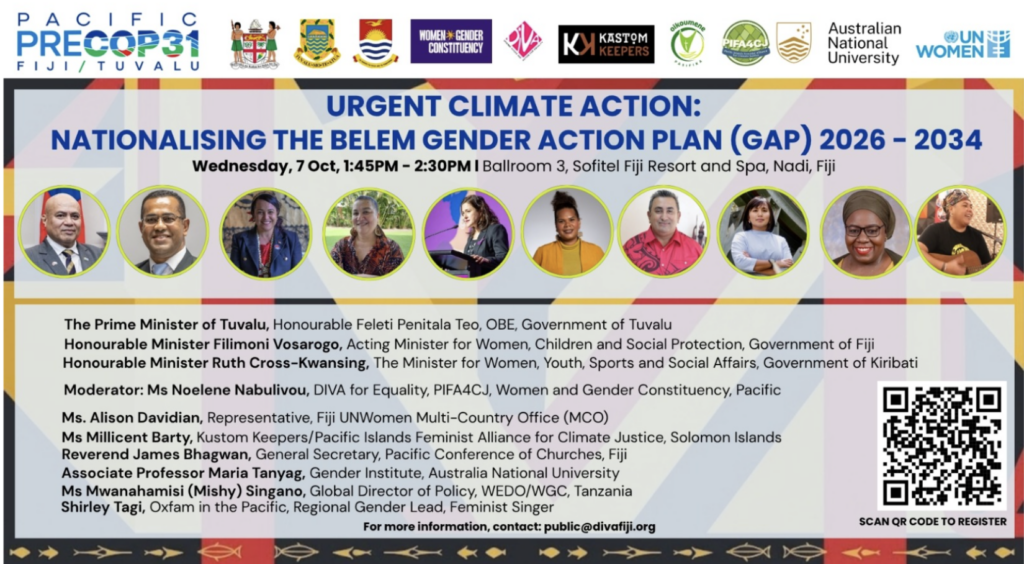
The Women and Gender Constituency at Pacific Pre-COP31
01/10/2026
Pre-COP is a preparatory meeting held ahead of the annual UN Climate Change Conference (COP). It brings together a smaller…
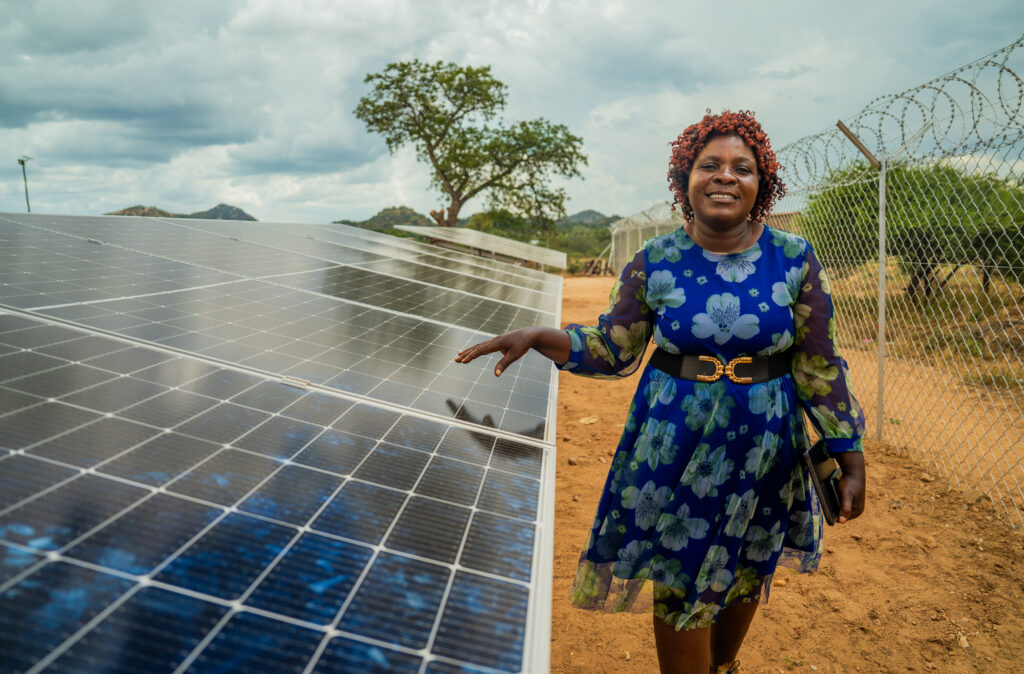

Growing evidence suggests that climate change and environmental degradation act as a catalyst, a driver and a multiplier of instability, exacerbating already volatile food prices, insecure livelihoods, and large-scale displacement. The EC climate change and security programme, managed by UNEP-CTCN, supports ten pilots in countries at risk of conflicts due to climate impact, prioritizing women and marginalized groups. In Cameroon, women’s cooperatives apply synecoculture for sustainable farming; in Zimbabwe, women use solar-powered drying systems for Mopane worms; and in Nigeria, women adopt hydroponic farming powered by solar energy, creating gender-responsive solutions for climate security.
Climate Impact
Gender Impact
Scalability/Replicability
We work across regions and movements in deep solidarity. Together, we’re building collective advocacy to global problems.
01/10/2026


09/06/2026
03/06/2026
24/04/2026